
Sundays only · Full day · Departs central Kyiv
Soviet Steel, Cold War Ghosts
Descend into the bunker where the Cold War could have ended everything — and where today’s threats were set in motion.
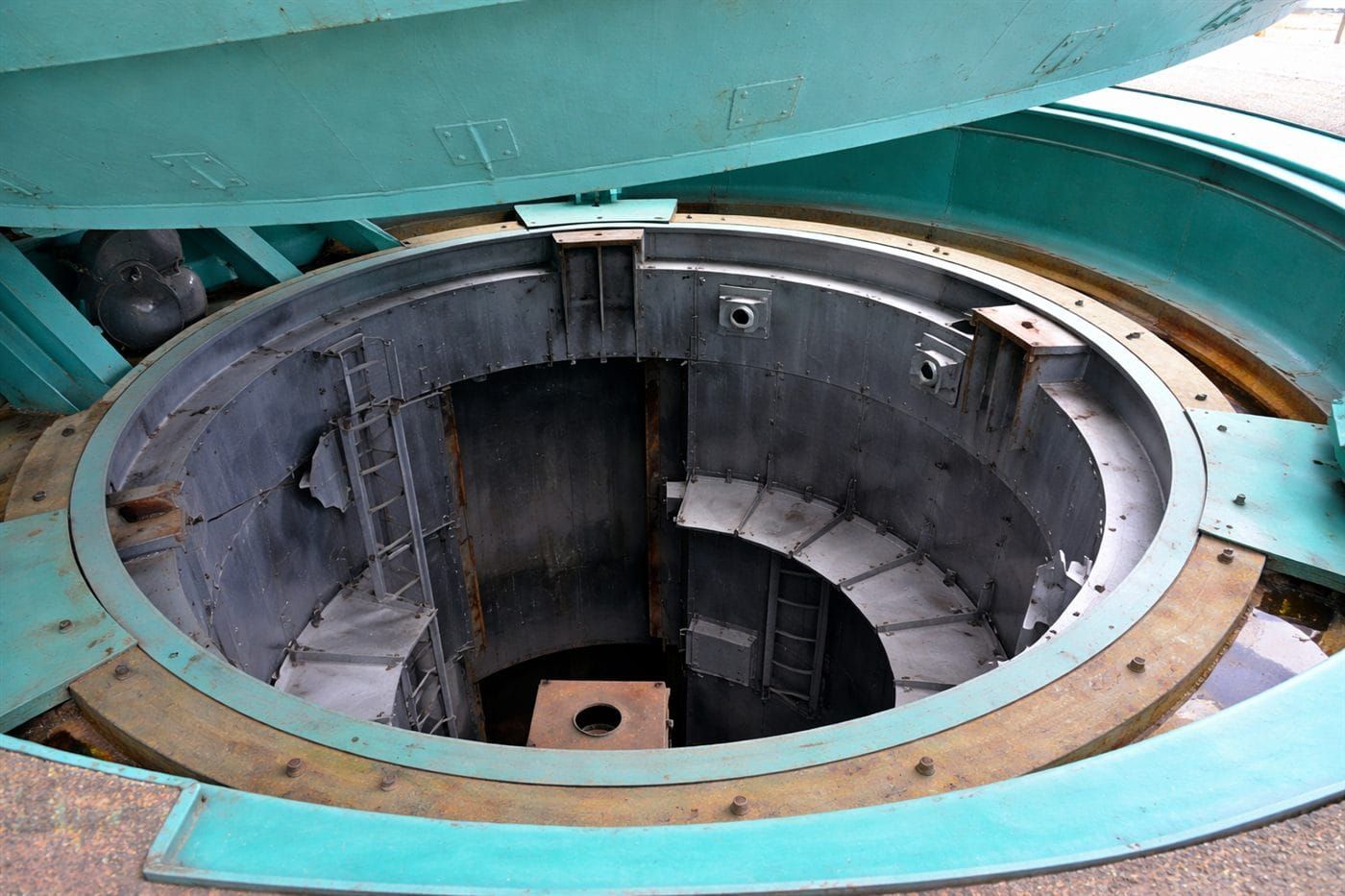
This full-day Sunday tour goes to one of the most extraordinary and least known sites in post-Soviet Europe: a real decommissioned Soviet strategic missile base, preserved close to the state it was in at the height of the Cold War.
The museum sits roughly 300 km south of Kyiv, near Pervomaisk, which is why this runs as a full day and why it costs more than the Kyiv-based tours. Departure is early from central Kyiv with an afternoon return.
Ukraine once held the third-largest nuclear arsenal on earth. Under the 1994 Budapest Memorandum every warhead was surrendered in exchange for security guarantees from Russia, the United States and the United Kingdom. One of those guarantors invaded in 2022.
That is not an abstraction here. You go down into the underground launch control bunker, see the missiles and the equipment, and have the launch procedure explained where it would have been carried out. The line running from 1994 to 2022 stops being a talking point and becomes a place you are standing in.
Your guide provides context throughout — not only the hardware, but the politics, the decisions, and what the guarantees turned out to be worth.
What you will experience
- A real decommissioned Soviet strategic missile base, not a reconstruction
- Former missile silos and the hardware of Cold War deterrence
- The underground command bunker and the launch control room
- The story of Ukraine’s nuclear disarmament and the Budapest Memorandum
- The direct connection between the promises of 1994 and the invasion of 2022
Questions about this tour
Why does this tour run on Sundays only?
Museum access dictates it. The site is a former military installation with restricted opening for guided visits, and Sunday is when the underground bunker can be entered.How far is the museum from Kyiv?
About 300 km south, near Pervomaisk. That is the reason for the early departure, the full-day format and the higher price compared with the Kyiv-based tours.Do you actually go underground?
Yes. The visit includes the underground launch command bunker and the launch control room, reached by lift and a long corridor. Anyone uneasy in confined spaces should say so in advance.Is the €300 the full cost?
It is the flat rate for the guided day for your private group. Museum entry fees are charged separately by the site itself; ask for the current rates when you book.Is the tour private?
Yes. Every tour is private — just your group. No strangers, no fixed departure schedule, and no rushing to match a stranger’s pace. The route adapts to what you want to see and how long you want to stay at each stop.Is the price per person or for the group?
For the group. The rate is flat and covers everyone with you, so two people and five people pay the same — there is no per-person guide fee. Additional guests only pay entry fees at the sites that charge them. Tell us your group size when you book.What languages is the tour guided in?
English, German and French, all at native-level fluency. No interpreter stands between you and the guide: the commentary is in your language from the first stop to the last.What happens if an air alarm sounds?
We follow official shelter protocols, calmly. Your guide knows the nearest shelter for every location on the route. We pause, wait for the all-clear, and continue. Daytime alarms are infrequent, and Kyiv residents handle them routinely.How do I pay?
Cash on the day in EUR, USD or UAH. Card payment can be arranged if you confirm it when booking. No deposit is required in advance.What if my plans change?
Cancel or reschedule as soon as you know, with no penalty. Plans in a wartime city change for reasons nobody controls, and we ask the same flexibility from you if we ever have to adjust.
More on safety, booking and payment in the full FAQ.
The other two tours
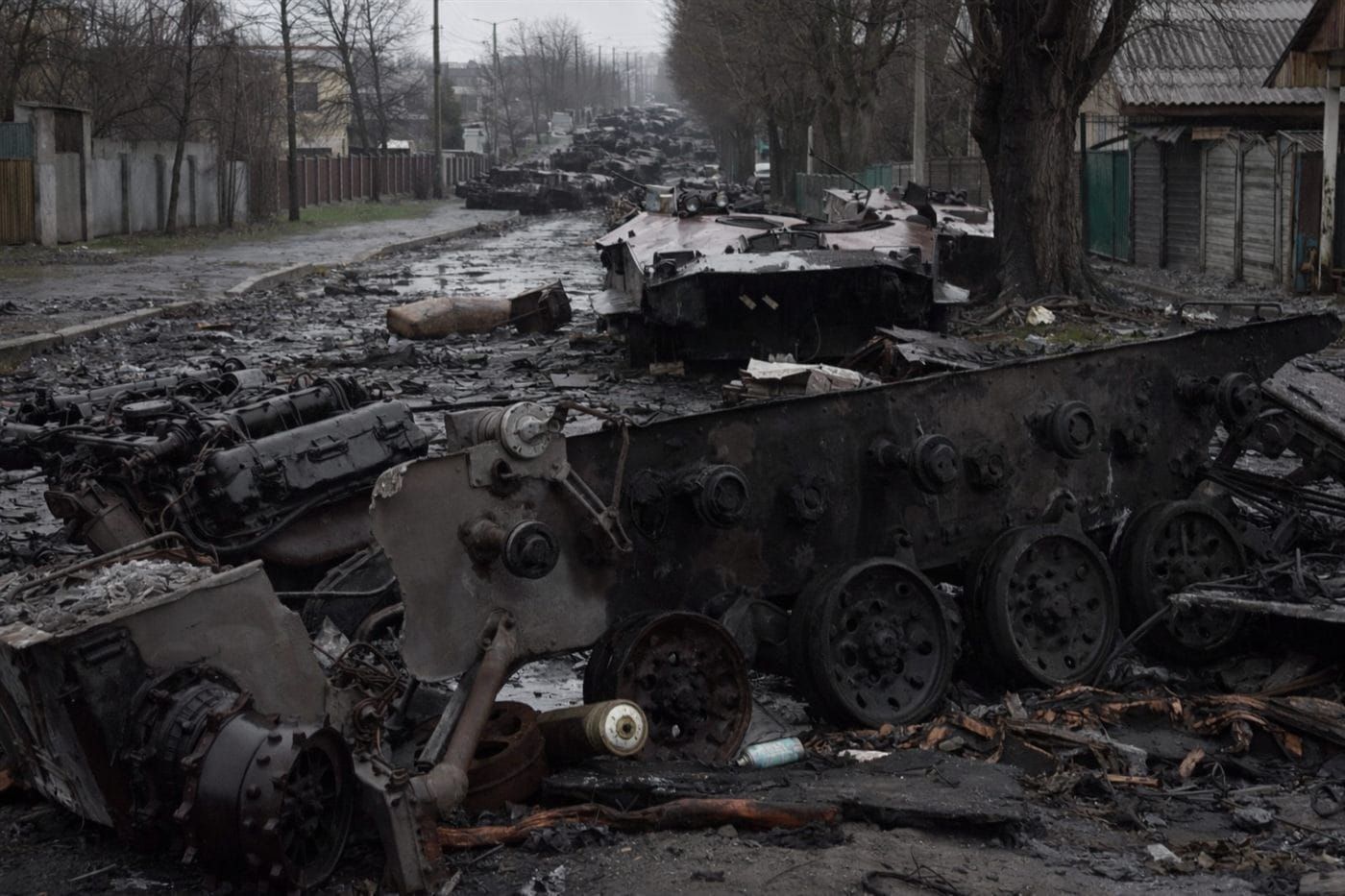
Horrors of Russian Occupation
Bucha, Irpin, Hostomel and the north-western front where the advance on Kyiv was stopped, explained on the ground by an eyewitness.
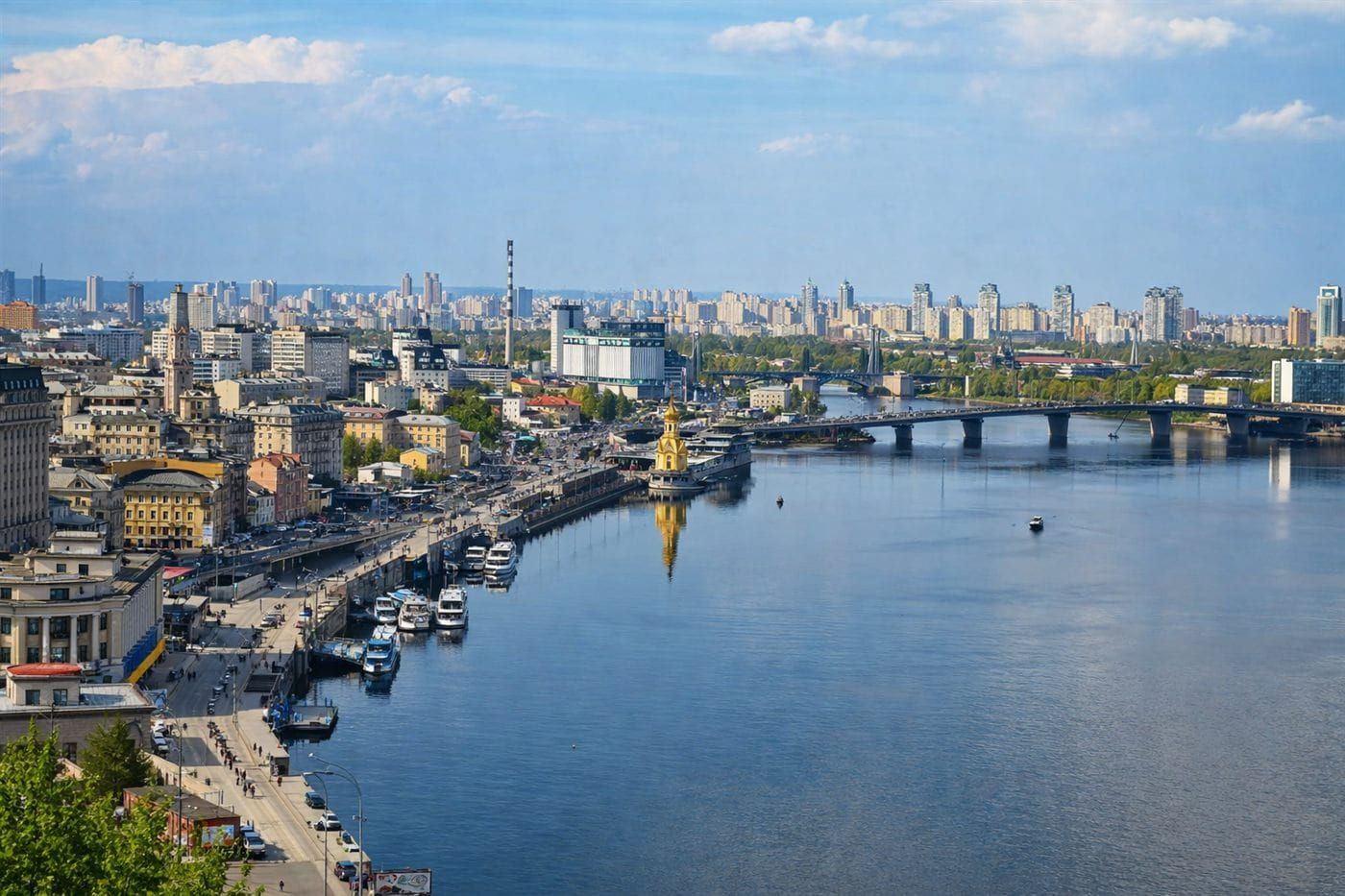
Kyiv: Living History
A thousand years of Kyiv and the city as it is now, including the east bank of the Dnipro that tourist routes never reach.